


Executor vs Administrator UK: What’s the Difference?

Losing someone is hard enough without a pile of legal paperwork to work through. If you have been asked to deal with the estate of a loved one, you may have realized quickly that executor and administrator are not the same thing. Getting the executor vs administrator UK question straight early on can save you time, worry, and a few costly mistakes.
The key differences between an executor and an administrator
You might be asking, what is the difference between an executor and an administrator in the UK? The executor is named in the deceased’s will, while an administrator is the person appointed when the deceased left no valid will, or where no named executor can act. Both roles do similar work: gather in the deceased’s estate, settle any debts and tax, and pass what’s left to the right people. The real executor vs administrator difference is about how each one gets their legal authority.
What does an executor do?
An executor is the person chosen in the will to carry out the deceased’s wishes. There can be more than one, and they are often a spouse, or an adult child or a close relative the deceased trusted. Before they can act, an executor usually needs to apply for a grant of probate. This is the legal document that proves they have the authority to deal with funds, property, and all the assets in the estate.
An executor’s duties include valuing the estate assets, paying any inheritance tax due, settling liabilities and distributing the remainder to the beneficiaries. The role carries real responsibility, and an executor can face personal liability if money is paid out incorrectly, or before everything the deceased owed has been settled. If you have been named and feel unsure, you do not have to make it alone. Our team handles probate and estate administration on a fixed fee basis, so you always know what happens next and what it costs.
What is an administrator?
An administrator steps in when there is no will, when the will is invalid, or when the named executors cannot or will not act. Rather than applying for probate, an administrator applies to the probate court for letters of administration. This document gives them the same legal authority to manage and check out the deceased’s assets.
Who can be an administrator is decided by the rules of intestacy, the legal requirements that set out who inherits when someone dies without a will. The closest family members usually have the right to apply, starting with a surviving spouse or civil partner, then children and parents, and so on. The administrator then shares out the estate items and other assets according to these same rules, not according to anyone’s personal wishes.
If you have been asked to act as an administrator and are not sure where to begin, we can apply for grant on your behalf and guide you through every step, all for a clear fixed fee, a good option.
Executor vs Administrator UK at a glance
Here is a quick summary of how the two roles compare:
| Feature | Executor | Administrator |
|---|---|---|
| How appointed | Named in the will | Appointed under the rules of intestacy |
| Legal document | Grant of probate | Letters of administration |
| When the role applies | There is a valid will naming them | No will, an invalid will, or no executor able to act |
| Who decides inheritance | The will | The rules of intestacy |
| Main duties | Value the estate, pay debts and tax, distribute to beneficiaries | Exactly the same duties |
What about a personal representative?
You may also come across the term personal representative. This is simply the umbrella term used for both roles. An executor is a personal representative, and so is an administrator. When official guidance uses personal representative, it applies to you whether you were named in a will, or appointed under rules of intestacy. Many of these words feel unfamiliar, our glossary of probate terms explains them without the jargon.
What if there is a will but no executor can act?
Sometimes a valid will exists, but the named executor has died, cannot be found, or simply does not want to take it on. In certain circumstances, where there are multiple executors, one can act while another steps back. Otherwise someone else, often a main beneficiary, can apply for grant with the will and seek and act as behalf of the estate. They follow the instructions in the will, but their authority comes through that grant rather than through probate. It is a slightly more complex step keeps the estate moving. You can read more about wills, and how a property left in a will works if you want to avoid this situation for your own family.
Frequently asked questions
Can an executor also be a beneficiary?
Yes. An executor can inherit from the estate and still act as executor, and many wills name a spouse or adult child who is both. A witness to the will, however, cannot be a beneficiary.
Can there be more than one executor or administrator?
Yes. Up to four people can apply together for a grant. They share the responsibility and usually need to agree on the main decisions.
What happens if no one wants to be the administrator?
If the next of kin do not want to act, they can give up their right and someone further down the order set by the rules of intestacy can apply instead. A professional firm can also be appointed to take on the role.
Do you always need a grant to deal with an estate?
Not always. Smaller estates, or assets held jointly, that pass automatically to the survivor, may not need a grant. Each bank sets its own limit, so it is worth checking before you apply.
Help with probate in Ware and Hertfordshire
Whether you are an executor named in a will or an administrator appointed under intestacy, the practical job is much the same, and you do not have to face it by yourself. From our base in Ware, Hertfordshire, we guide families across the county through probate and estate administration with fixed, transparent fees. We will tell you upfront which application you will need, document you need to apply for, and roughly how long the process should take. We might have told all the executor vs administrator question, but find yourself on, the next step is the worth: get clear advice before you commit to anything.
The executor vs administrator difference can feel daunting at first, but it comes down to one thing: where your authority comes from. Once that is clear, the rest of the process is far more manageable, especially with a local team beside you.
To talk it through with a friendly, local team, visit The Probate Bureau or get in touch with us today. We will explain your options and exactly what it will cost, with no pressure.
Back To BlogShare This Post


Recent posts
- What Are the Duties of an Executor? By , 15/06/2026
- Executor vs Administrator UK: What’s the Difference? By , 15/06/2026
- What Documents Do You Need for Probate? By Probate Bureau , 26/05/2026
2015 Archive
2016 Archive
2018 Archive
2019 Archive
2020 Archive
2023 Archive
- July 10 posts
0 Archive
- December 1 posts
Blog Categories
Find your way through the probate maze
Click here to follow our step-by–step probate process guide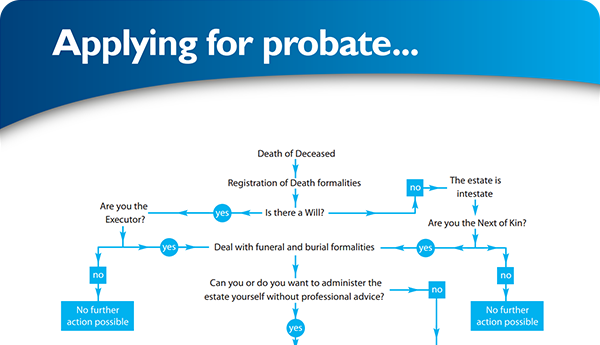
Testimonials
Excellent service, everything went very smoothly. Like to thank Ann and her team.... read more
Good & Reliable service, always kept up to date with what was happening. Value for money.... read more
Latest Tweet
Follow @ProbateBureau


Contact Us
0800 028 2837 info@probatebureau.comTHE PROBATE BUREAU
3 Crane Mead Business Park
Crane Mead
Ware
Hertfordshire
SG12 9PZ
×